



Why Choose Rain-X® Wiper Blades — And When Should You Replace Them?
Why Choose Rain-X® Wiper Blades — And When Should You Replace Them?
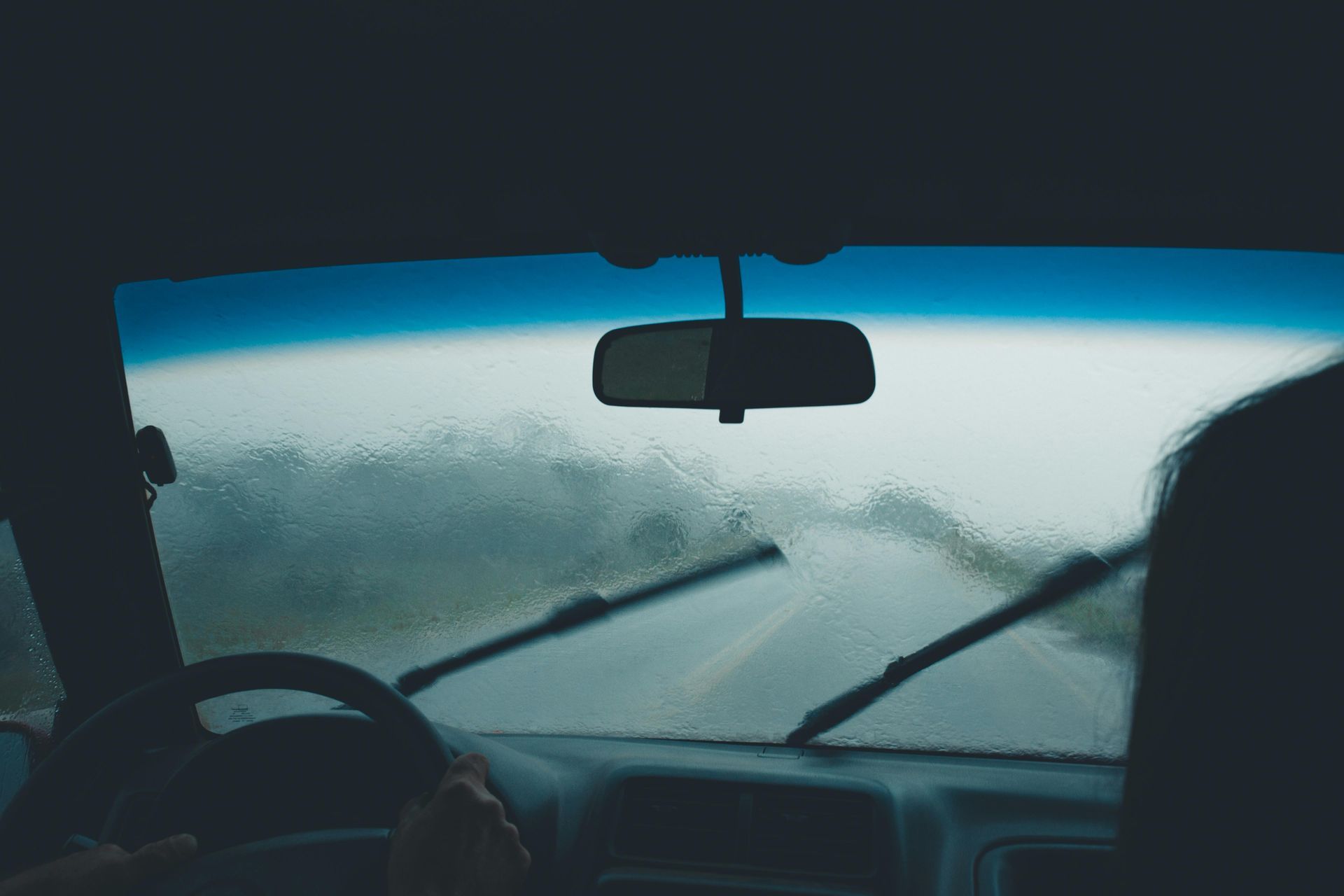
When it comes to driving in Wisconsin, clear visibility isn’t optional — it’s essential. Between heavy rain, snow, sleet, and road spray, your windshield wipers play a critical role in keeping you safe. That’s why many drivers trust Rain-X wiper blades for dependable, streak-free performance in all weather conditions.
What Makes Rain-X Wipers Different?
Rain-X has built its reputation around water-repelling technology, and that same innovation extends to its premium wiper blades.
Water-Repelling Technology
Many Rain-X blades apply a water-repelling coating to your windshield as they wipe. This helps water bead up and roll off while driving, improving visibility — especially at highway speeds.
Built for Tough Weather
Rain-X offers durable beam-style blades that resist ice buildup and maintain even pressure across the windshield. That’s especially important during Wisconsin winters.
Smooth, Quiet Operation
Premium materials help reduce chatter and streaking, giving you a clean, consistent wipe.
When Should You Change Your Wiper Blades?
Even high-quality blades don’t last forever. Most manufacturers — including Rain-X — recommend replacing your wiper blades every 6–12 months, depending on driving conditions.
Here are signs it’s time for new wipers:
Streaking or Smearing
If your blades leave lines or haze behind, the rubber edge may be worn or cracked.
Squeaking or Chattering
Noise during operation often means the blade edge is hardened or no longer making full contact with the glass.
Skipping or Uneven Wipe Pattern
If parts of your windshield aren’t clearing properly, the blade frame may be warped or the rubber unevenly worn.
Visible Damage
Check for:
- Cracked rubber
- Torn edges
- Bent frames
- Ice damage after winter
After Extreme Weather
Heat, UV exposure, road salt, and freezing temperatures all accelerate wear. If we’ve had a tough season, it’s smart to inspect them.
Why Replacing Wipers Matters
Worn wiper blades don’t just reduce visibility — they can increase stopping distances during storms and create dangerous blind spots. In heavy rain or snow, that split-second of unclear vision can make all the difference.