
FALL TIRE TIPS: GET YOUR VEHICLE READY FOR CHANGING ROAD CONDITIONS
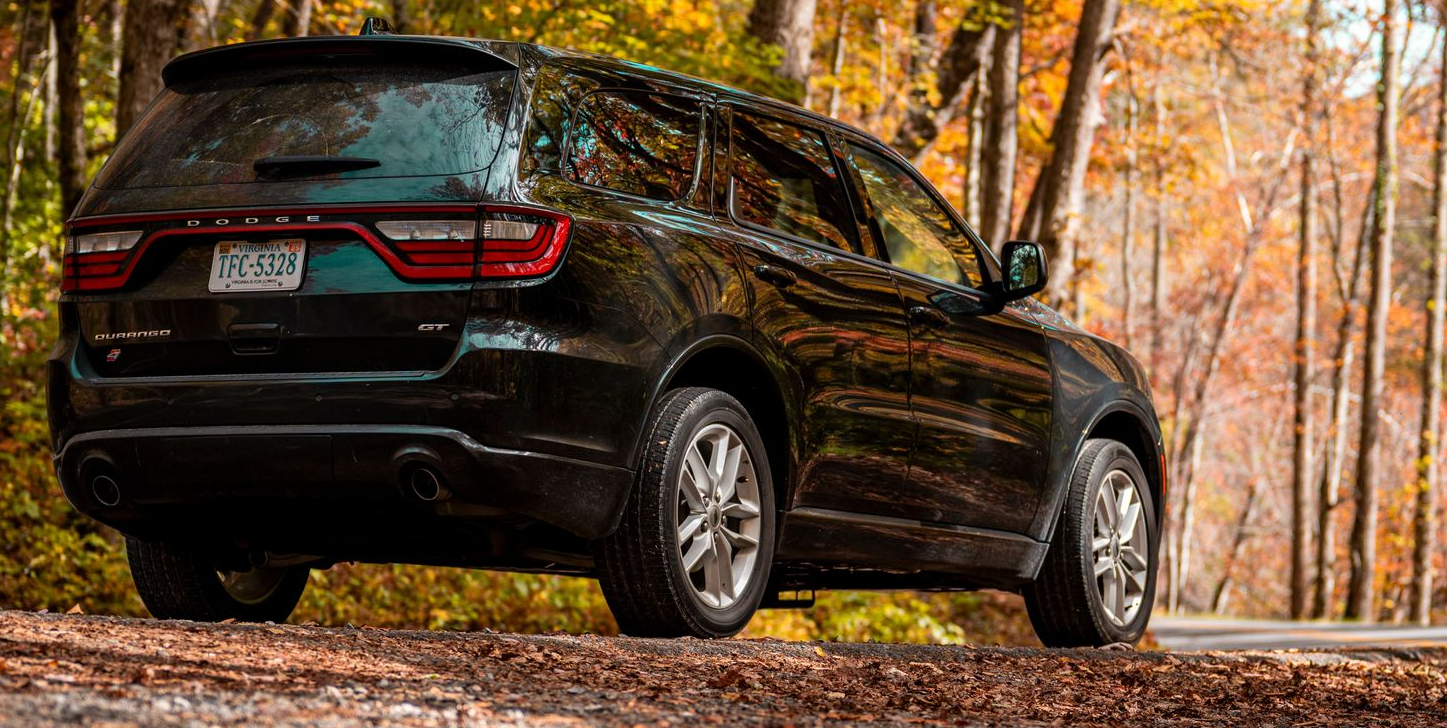
As temperatures begin to drop and fall weather settles in, it’s a good time to take a close look at your tires. Cooler temperatures, wet roads, fallen leaves, and the approach of winter can all make tire condition especially important. Your tires are the only part of your vehicle that actually touches the road, so having the right tires with adequate tread and proper inflation can make a significant difference in traction, handling, and stopping performance.
1. Check Your Tread Depth Tire tread helps move water away from the contact patch between your tire and the road. As tread wears down, your tires can lose their ability to maintain traction, especially on wet roads. If your tires are getting close to the end of their usable tread, fall is a good time to replace them before winter conditions arrive.
2. Check Tire Pressure As temperatures drop, tire pressure can decrease. A tire that was properly inflated during the summer may be underinflated in colder fall temperatures. Don't rely solely on the Tire Pressure Monitoring System (TPMS). The system is designed to alert you when pressure is significantly low, not necessarily when your tires are at their ideal pressure.
3. Look for Uneven Wear Take a few minutes to inspect your tires for uneven wear across the tread. Wear on the inside or outside edges can be a sign of alignment, suspension, or inflation problems. Catching these issues early can help protect your tires and improve the way your vehicle handles.
4. Inspect for Cracks, Bulges, & Damage Fall is a good time to look closely at the sidewalls and tread for cuts, cracks, punctures, or bulges. Damage doesn't always mean a tire will fail immediately, but it can indicate a potential safety concern. If you see anything unusual, have the tire inspected by a professional at Auto Select
5. Consider Your Winter Tire Needs If you drive in areas where snow, ice, and consistently cold temperatures are common, fall is the time to start thinking about winter tires. Winter tires are designed specifically for cold-weather conditions and use rubber compounds that remain more flexible in lower temperatures. If you already have a set of winter tires, don't wait until the first major snowfall to have them installed.
6. Don't Forget the Spare When checking your tires, remember to check the spare tire too. Make sure it is properly inflated and that you have the necessary equipment to change a tire if needed. A flat tire is frustrating enough. Discovering that your spare is also unusable makes the situation even worse.
7. Have Your Tires Professionally Inspected If you're unsure about the condition of your tires, bring your vehicle to Auto Select. Our technicians can inspect your tires for tread depth, wear patterns, condition, and proper inflation and help you determine whether they're ready for the months ahead
Fall is the perfect time to prepare your vehicle for colder temperatures and changing road conditions. A few minutes spent checking your tires now can help you avoid unexpected problems later.