



Prepare Your Vehicle for Winter: Understanding Your Starting and Charging System
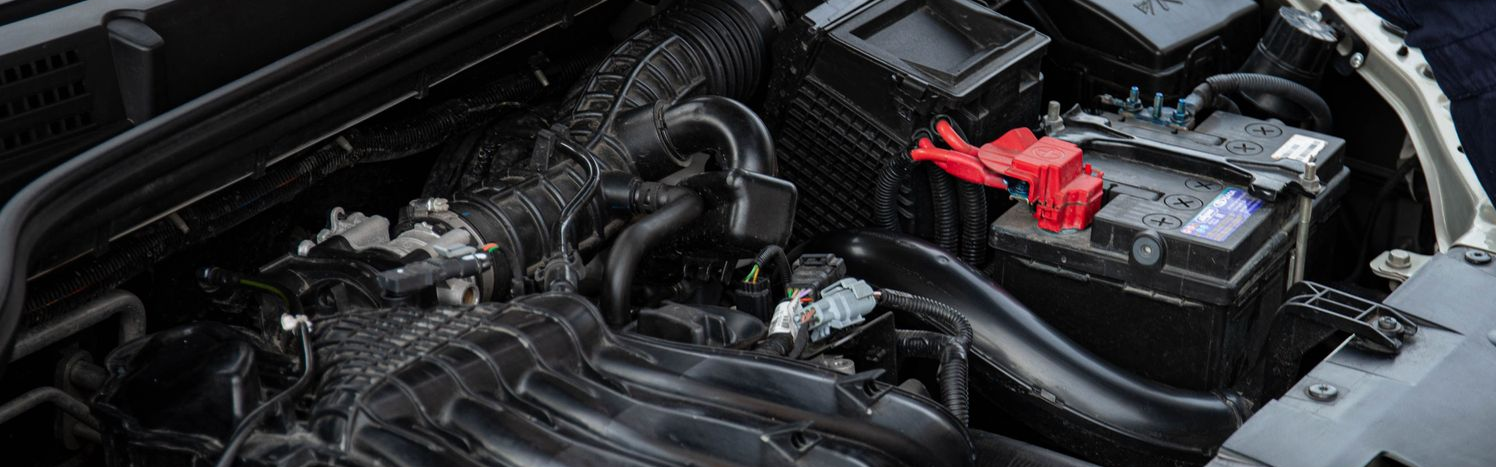
As temperatures begin to drop across Wisconsin, your vehicle’s starting and charging system faces some of the toughest conditions of the year.
Cold weather makes it harder for your engine to start and puts additional strain on your battery, starter, and charging system. The last thing you want is to turn the key on a chilly morning and discover your vehicle won’t start. Fortunately, understanding how these components work together and having them inspected regularly can help you avoid unexpected breakdowns and keep your vehicle running reliably throughout the winter months.
What Is Your Starting and Charging System? Your vehicle’s starting and charging system consists of several components that work together to start your engine and maintain the electrical power your vehicle needs to operate. Four important areas to understand are your battery, alternator, starter, and belts.
1. Battery: Powering Your Vehicle
Your battery supplies the electrical energy needed to start your engine and power electrical accessories when the engine is off.
Cold temperatures can significantly reduce a battery’s ability to deliver power. At the same time, cold engine oil creates additional resistance, requiring more energy to turn the engine over. This combination makes winter especially challenging for an aging or weakened battery.
Warning signs of a potential battery problem include:
- Slow engine cranking when starting your vehicle.
- Clicking sounds when turning the key or pressing the start button.
- Dim headlights or interior lights.
- The need for frequent jump-starts.
- A battery that is several years old.
Having your battery tested before winter arrives can help determine whether it is holding a proper charge and delivering the power your vehicle needs.
2. Alternator: Keeping Your Battery Charged
While your battery provides the initial power to start your engine, the alternator generates electricity while the engine is running. It helps recharge the battery and supplies power to your vehicle’s electrical systems.
If the alternator isn't working correctly, your battery may gradually lose its charge, potentially leaving you unable to start your vehicle.
Signs of a possible alternator issue include:
- A battery warning light on your dashboard.
- Headlights that dim or fluctuate in brightness.
- Electrical accessories that operate inconsistently.
- Unusual whining or grinding noises.
- A battery that repeatedly goes dead despite being relatively new.
Because alternator problems can resemble battery problems, testing the entire charging system is often the best way to identify the source of an issue.
3. Starter: Getting Your Engine Running
The starter motor uses electrical power from your battery to turn the engine over so combustion can begin. Once the engine is running, the starter's job is finished until the next time you start your vehicle.
A weak battery can cause starting difficulties that resemble a failing starter, so it is important to check both components before determining what repairs may be necessary.
Common signs of starter trouble include:
- A clicking sound when attempting to start the engine.
- The engine failing to turn over.
- Intermittent starting problems.
- Grinding noises during startup.
If your vehicle struggles to start, having the battery and starter system inspected can help pinpoint the cause before the problem leaves you stranded.
4. Belts: Supporting Proper Charging Performance
Many vehicles use an engine-driven belt to operate the alternator. If that belt becomes worn, loose, cracked, or damaged, the alternator may not operate as intended. Depending on your vehicle's design, a belt failure can also affect other important engine accessories.
During routine maintenance, technicians can inspect accessible belts for signs of wear and damage.
Look for warning signs such as:
- Visible cracks or fraying.
- Squealing noises from the engine compartment.
- A loose or damaged belt.
- Dashboard warning lights that may indicate a charging problem.
Addressing belt wear early can help prevent unexpected failures and related repairs.
Why Is Fall the Best Time to Check Your Starting System?
Wisconsin winters bring freezing temperatures that can expose weaknesses in your vehicle's electrical system. A battery that performs adequately during warmer weather may struggle when temperatures drop. Winter also brings increased use of electrical accessories, including headlights, windshield wipers, cabin heaters, and rear-window defrosters. These systems add to the electrical demands placed on your vehicle.
A fall inspection gives you an opportunity to identify developing problems before the coldest weather arrives. Rather than waiting for a dead battery or a vehicle that won't start, you can take a proactive approach to winter preparation. Even if your vehicle starts normally today, that doesn't guarantee every component is operating at its best. Testing the battery, alternator, and starter can reveal potential issues that may not yet be obvious.
Don't Ignore the Warning Signs
Starting problems don't always mean you need a new battery. A weak battery, faulty alternator, worn belt, or failing starter can produce similar symptoms. Replacing parts without identifying the underlying cause may not solve the problem. A professional starting and charging system inspection can help determine which components are functioning properly and which may need attention. If you notice slow cranking, dashboard warning lights, dim headlights, or repeated starting difficulties, don't wait for the problem to get worse.
Keep Your Vehicle Ready for Wisconsin Winter
Your starting and charging system plays an essential role in keeping you on the road, especially when temperatures drop. Regular inspections and preventative maintenance can help identify potential problems early and reduce the risk of inconvenient breakdowns.
At Auto Select, our technicians can inspect your vehicle's starting and charging system and help you understand its condition. Taking care of these important components before winter arrives is one more way to prepare your vehicle for the season ahead.
Before the next cold snap, make sure your vehicle is ready to start when you need it most.